

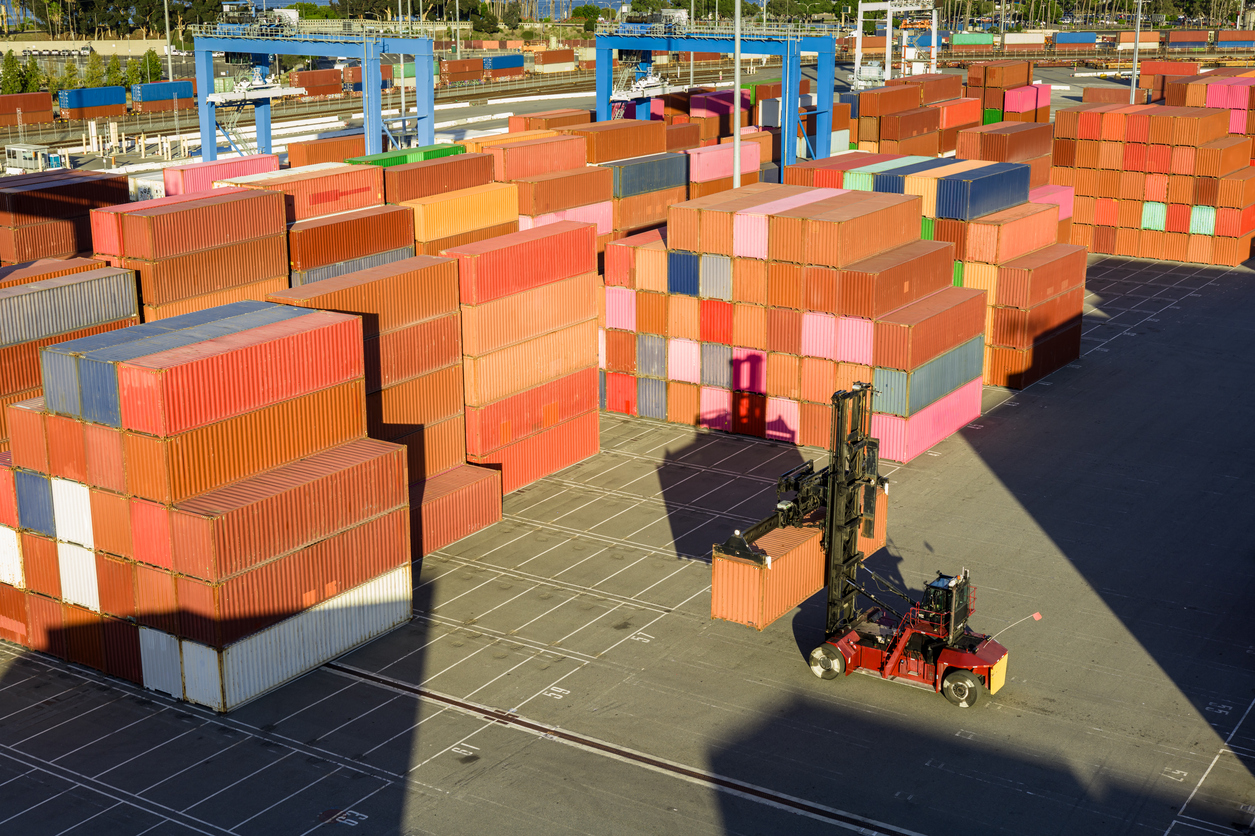
Freight Forwarding: A Practical Guide for Beginners
Freight forwarding enables goods to move across borders reliably and cost-effectively. This guide explains freight forwarding and 3PL logistics in plain terms: shipping, customs clearance, cargo tracking, and how to choose a forwarder. With basic knowledge, you can reduce delays and extra costs, streamline operations, and improve supply chain visibility. The sections below cover core concepts, step-by-step processes, and practical best practices.
International Shipping & 3PL: A Beginner’s Overview
Cross-border shipping adds rules, paperwork, and coordination. Freight forwarders connect shippers and carriers to keep cargo moving. Third-party logistics (3PL) providers offer transport, warehousing, and inventory services that help businesses scale and improve delivery consistency.
Key Concepts:
Freight Forwarding
Freight forwarding arranges transport for shippers: coordinating carriers, preparing documents, managing customs interactions, and handling exceptions so shipments clear borders and arrive on time. Forwarders simplify compliance and logistics for international traders.
3PL (Third-Party Logistics)
3PLs provide outsourced logistics services: transportation, warehousing, and inventory control, often with technology and carrier relationships that companies lack in-house. Partnering with a 3PL lets you focus on core operations while benefiting from logistics expertise and scale.
Import/Export Logistics
Import/export logistics covers documentation, customs clearance, transport planning, and final delivery. Understanding tariffs, classification, and inspection risk helps you plan to avoid delays and unexpected fees.
Regulatory complexity customs rules, origin requirements, and declarations are a central challenge for global supply chains.
Processes:
Shipping Coordination
Shipping coordination covers planning and executing cargo moves, selecting carriers, booking space, and scheduling pickups and deliveries. Forwarders align documentation and timelines for each leg to prevent delays.
Customs Clearance
Customs clearance involves submitting documents and paying duties to authorities so goods may enter or leave a market legally. Key documents include the bill of lading, commercial invoice, and packing list. Accurate preparation and correct classification reduce fines and hold-ups.
Cargo Tracking
Cargo tracking provides location and status updates during transit. Visibility tools help spot delays, adjust plans, and keep customers informed, which reduces surprises and improves service reliability.
Best Practices:
Choose the Right Freight Forwarder
Choose a forwarder with relevant experience, a strong carrier network, transparent pricing, and responsive communication. A good partner anticipates documentation needs, resolves issues quickly, and helps control costs.
Understand Regulations
Keep current on customs rules, product-specific requirements, and trade agreements. Use accurate HS codes, correct valuation, and timely declarations to avoid holds and penalties.
Leverage Technology
Adopt digital tools track-and-trace platforms, electronic documentation, and dashboards to cut manual errors and speed processes. Automation improves accuracy and frees staff for higher-value tasks.
Optimise Shipping Costs
Negotiate carrier rates, consolidate smaller shipments, choose the right modes, and partner with 3PLs to gain scale. Regularly review shipping data to find savings.
Plan for Risks
Identify likely disruptions, delays, damage, regulatory shifts and set contingency plans. Use insurance, alternate routings, and clear escalation procedures to respond quickly.
Evaluate 3PL Partnerships
Monitor 3PL performance with KPIs such as on-time delivery, claims rates, responsiveness, and cost-to-serve to ensure partners meet evolving needs.
What Freight Forwarding Is and How It Works
Freight forwarding arranges movement from origin to destination: booking space, filing paperwork, coordinating with carriers and customs, and managing exceptions. Benefits include reduced friction, better transit times, and improved visibility.
What Are the Key Steps in the International Shipping Process?
The international shipping workflow typically includes:
- Booking Cargo Space: Reserving capacity with a carrier.
- Preparing Documentation: Completing paperwork such as the bill of lading and commercial invoice.
- Customs Clearance: Submitting documents and duties for approval.
- Transportation: Moving goods via the selected carriers and modes.
- Delivery: Final-mile delivery and receipt at destination.
Understanding each step helps you anticipate requirements and avoid common pitfalls.
Step-by-Step Shipment Process Explained
A typical shipment follows these stages:
- Initial Planning: Define requirements, Incoterms, and choose a forwarder.
- Documentation Preparation: Gather invoices, packing lists, certificates of origin, and other papers.
- Customs Clearance: File declarations and pay duties or taxes if required.
- Transportation Coordination: Book carriers, schedule pickups, and manage transit logistics.
- Final Delivery: Deliver to the consignee and confirm receipt.
Following these stages reduces surprises and smooths the flow from origin to destination.
How Does Cargo Shipment Tracking Enhance Shipment Management?
Real-time tracking gives visibility into route and status, enabling proactive responses to delays or exceptions. With tracking, teams can reroute shipments, inform customers, and reduce dwell time to improve reliability and decision-making.
How Do 3PL Logistics Services Add Value to Freight Forwarding?
3PLs add value through scale, carrier relationships, technology, and operational expertise. They consolidate loads, optimise routes, manage warehouses, and provide analytics to lower costs and improve fulfillment.
Overview of 3PL Service Types and Benefits
| Service Type | Description | Benefits |
|---|---|---|
| Transportation Management | Coordination of shipping logistics | Cost savings, improved efficiency |
| Warehousing | Storage and inventory management | Reduced overhead, enhanced order fulfilment |
| Freight Forwarding | Management of international shipments | Streamlined processes, compliance support |
This snapshot shows how different 3PL services support operational efficiency and business growth.
How 3PL Services Optimise Cost-Effective Logistics Solutions
3PLs reduce costs by negotiating with carriers, consolidating loads, improving routing, and using technology to cut waste. Their purchasing power and process expertise often deliver better rates and service.
What Are the Basics of Customs Clearance in Freight Forwarding?
Customs clearance ensures goods meet local import/export rules before crossing borders. Core elements include:
- Documentation: Bills of lading, commercial invoices, and packing lists.
- Compliance: Correct classification, valuation, and adherence to regulations.
- Inspection: Physical or documentary checks by customs authorities.
Proper preparation helps avoid holds and extra charges during clearance.
Understanding Customs Documentation and Compliance
Accurate documentation is essential for smooth customs processing. Key documents include:
- Bill of Lading: The contract and receipt between shipper and carrier.
- Commercial Invoice: A statement of the goods and their value.
- Packing List: An itemized list of contents to support inspections and handling.
Preparing these documents correctly reduces inspection risk and keeps shipments moving.
How Automation is Improving Customs Clearance Processes
Automation, electronic data interchange (EDI), and customs portals speed filings, reduce errors, and improve compliance checks. Automating routine tasks shortens clearance times and gives logistics teams clearer, real-time status on shipments.
Conclusion
Freight forwarding and 3PL logistics are core to international trade. By knowing core concepts, following structured processes, and working with experienced partners, you can cut costs, avoid delays, and gain better supply chain visibility. Apply these practices to improve your logistics and support business growth. Contact us today to discuss tailored logistics solutions for your business.