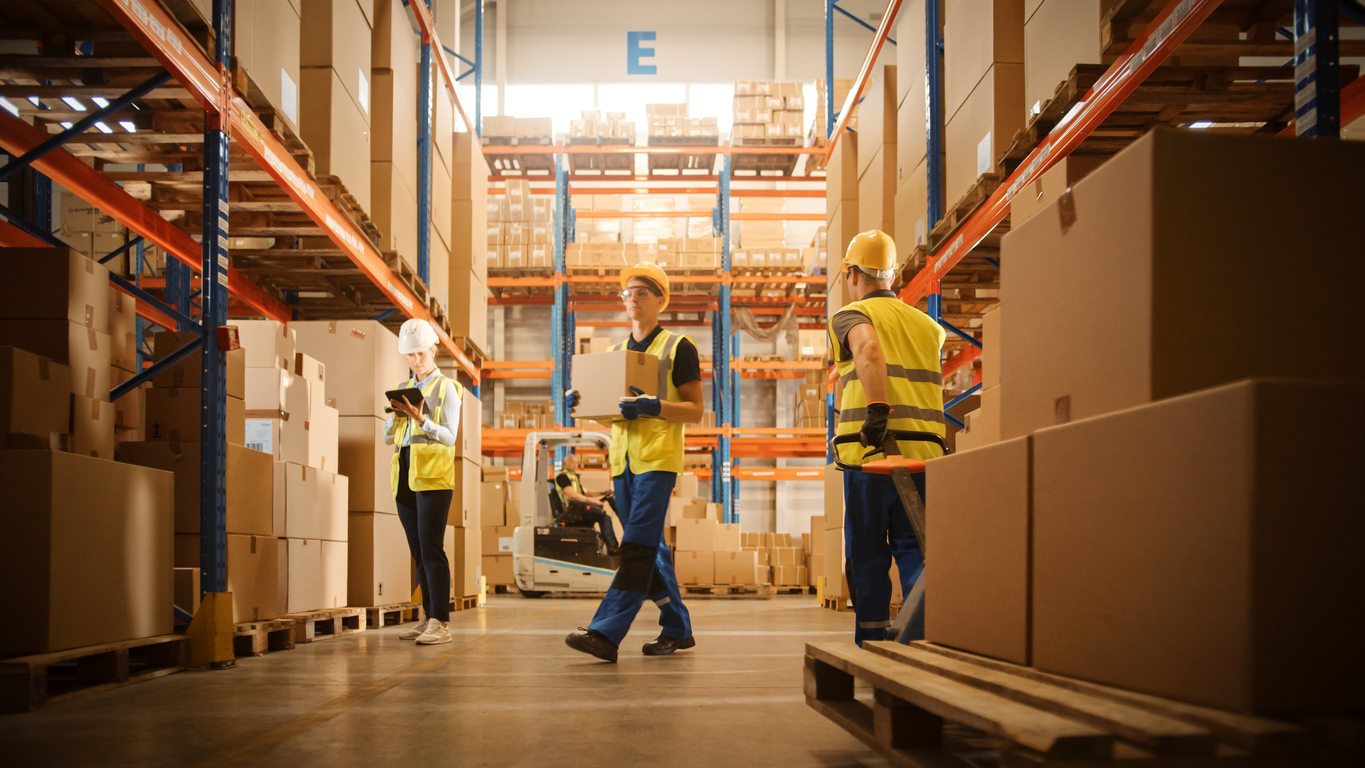
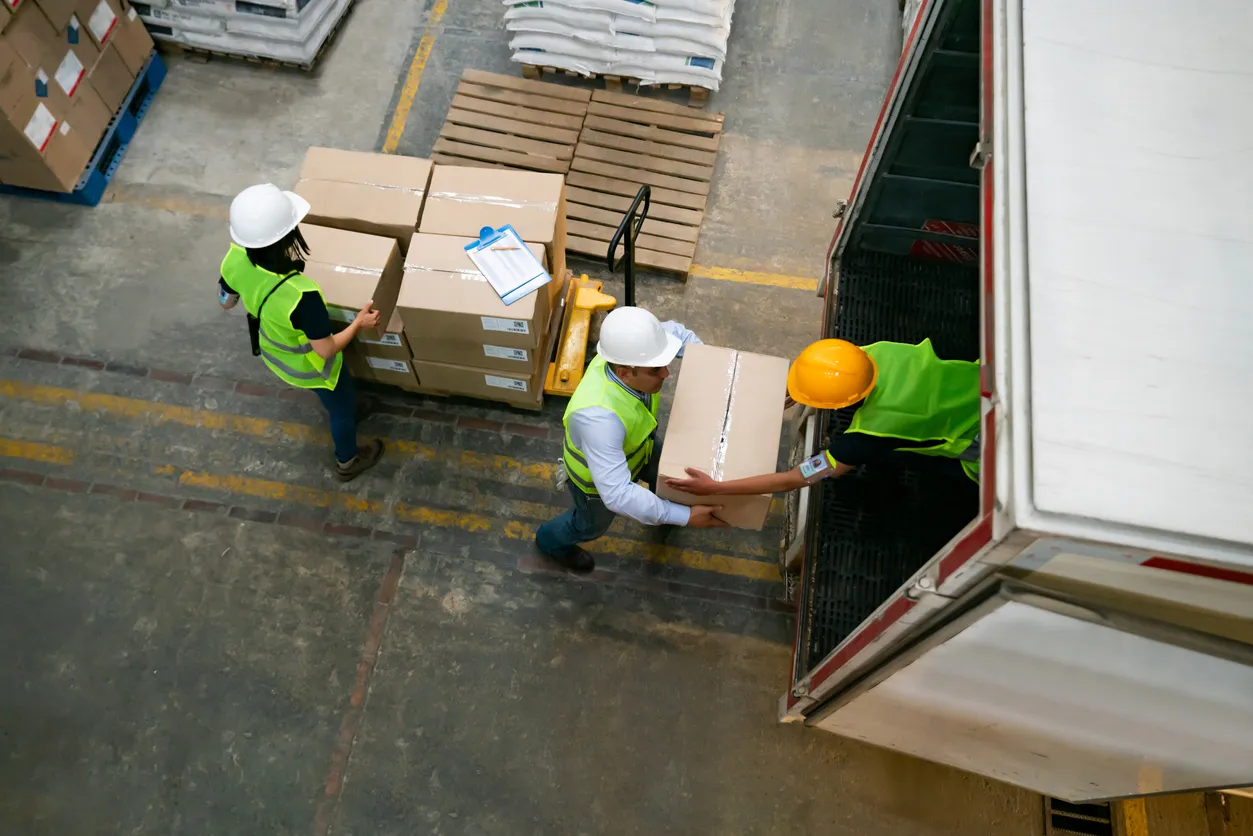
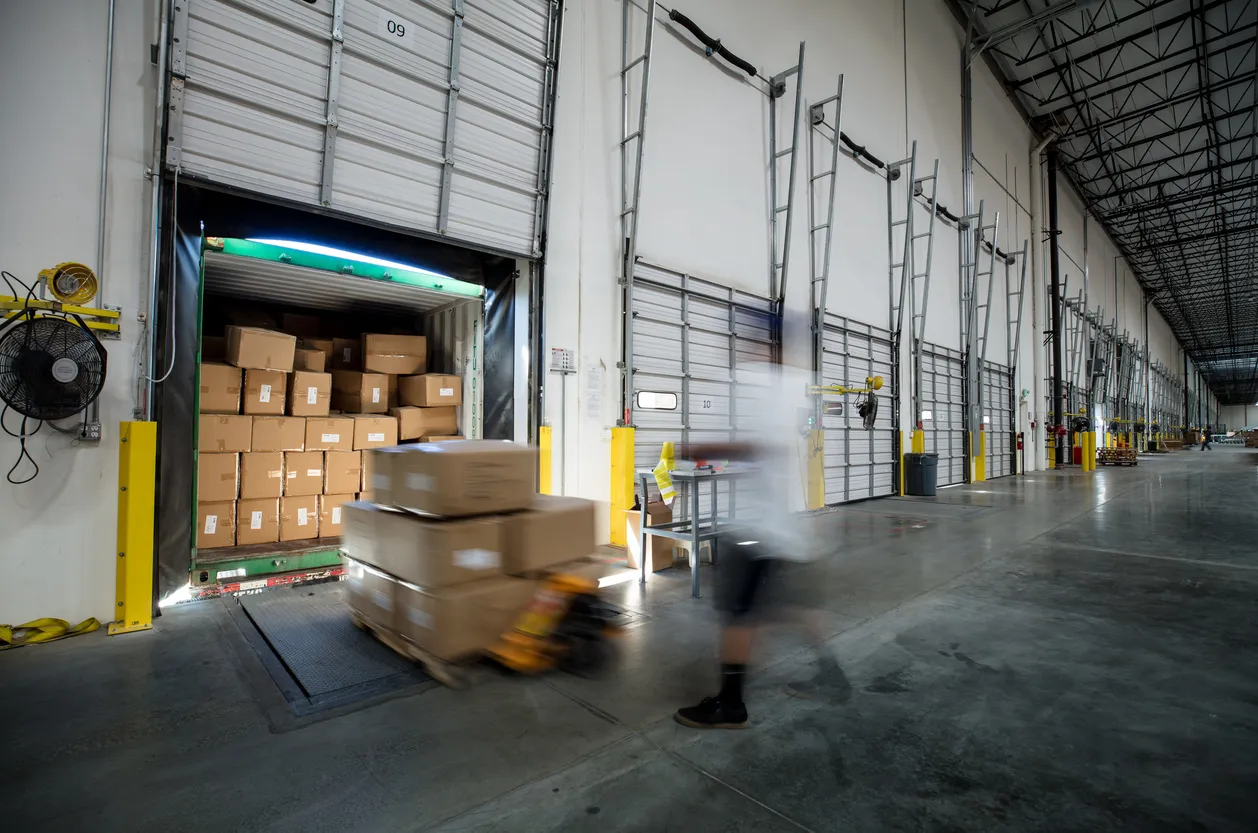
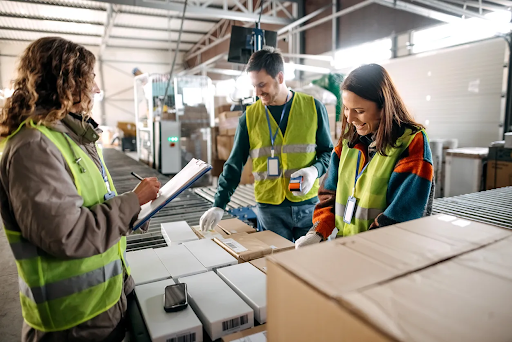
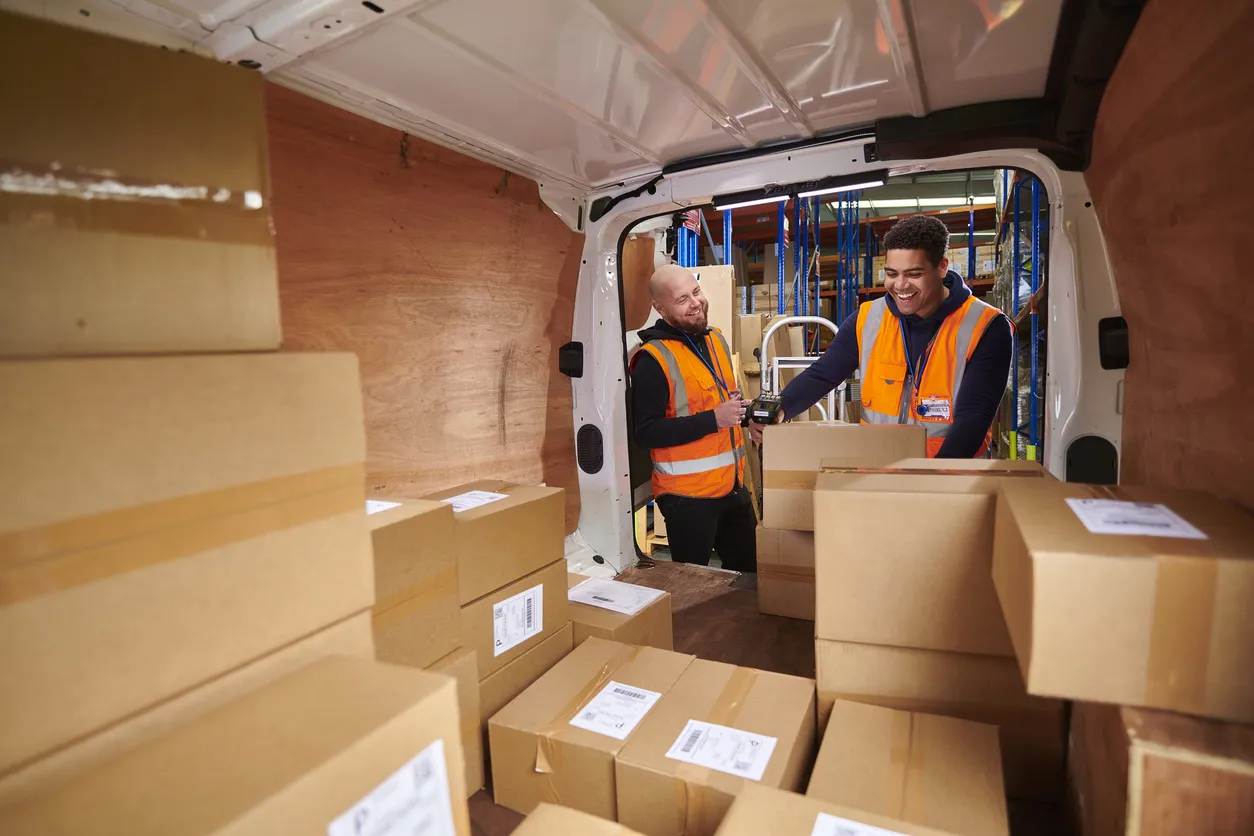
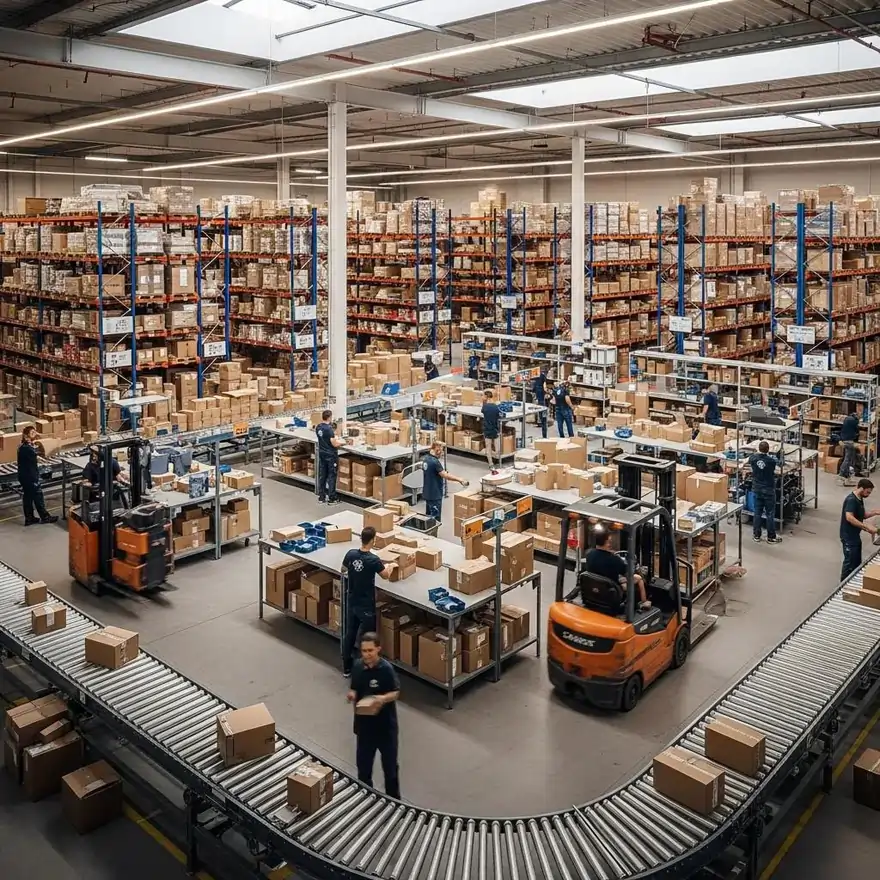
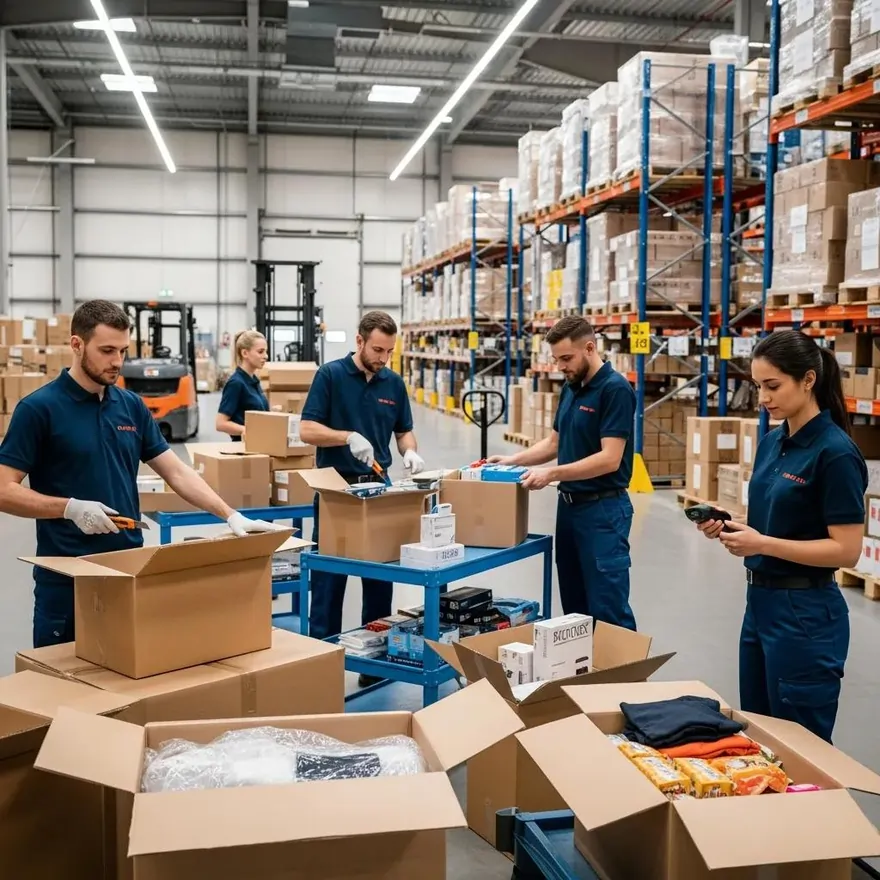
E-commerce warehousing plays a crucial role in ensuring that online retailers can efficiently manage their inventory and fulfill orders promptly. By utilizing dedicated warehousing solutions, businesses can streamline their operations, reduce shipping times, and enhance customer satisfaction.
For instance, a well-organized e-commerce warehouse allows for quicker picking and packing processes, which directly impacts delivery speed. Additionally, businesses can leverage advanced inventory management systems to track stock levels in real-time, minimizing the risk of stockouts or overstock situations.
Effective supply chain management is essential for businesses looking to optimize their logistics processes. It involves coordinating various activities from sourcing raw materials to delivering finished products to consumers, ensuring that every step is executed efficiently.
Key features include demand forecasting, inventory optimization, and supplier collaboration. For example, companies that implement advanced analytics can predict customer demand more accurately, allowing them to adjust their inventory levels and reduce holding costs while meeting customer expectations.
Selecting the right freight forwarding partner can significantly impact the efficiency of your logistics operations. A reliable freight forwarder not only helps in the transportation of goods but also navigates complex customs regulations and provides valuable insights into shipping options.
When choosing a freight forwarder, consider factors such as their experience in your industry, their network of carriers, and their ability to provide real-time tracking. For example, a freight forwarder with a robust technological platform can offer better visibility into shipment status, enhancing overall supply chain transparency.
The logistics industry is rapidly evolving, driven by technological advancements that enhance operational efficiency and customer experience. Innovations such as automation, artificial intelligence, and IoT are transforming how logistics companies manage their supply chains.
For instance, the use of automated warehousing systems can significantly reduce labor costs and improve order accuracy. Additionally, AI-driven analytics can help logistics providers optimize routes and reduce transportation costs, ultimately leading to a more sustainable and profitable operation.