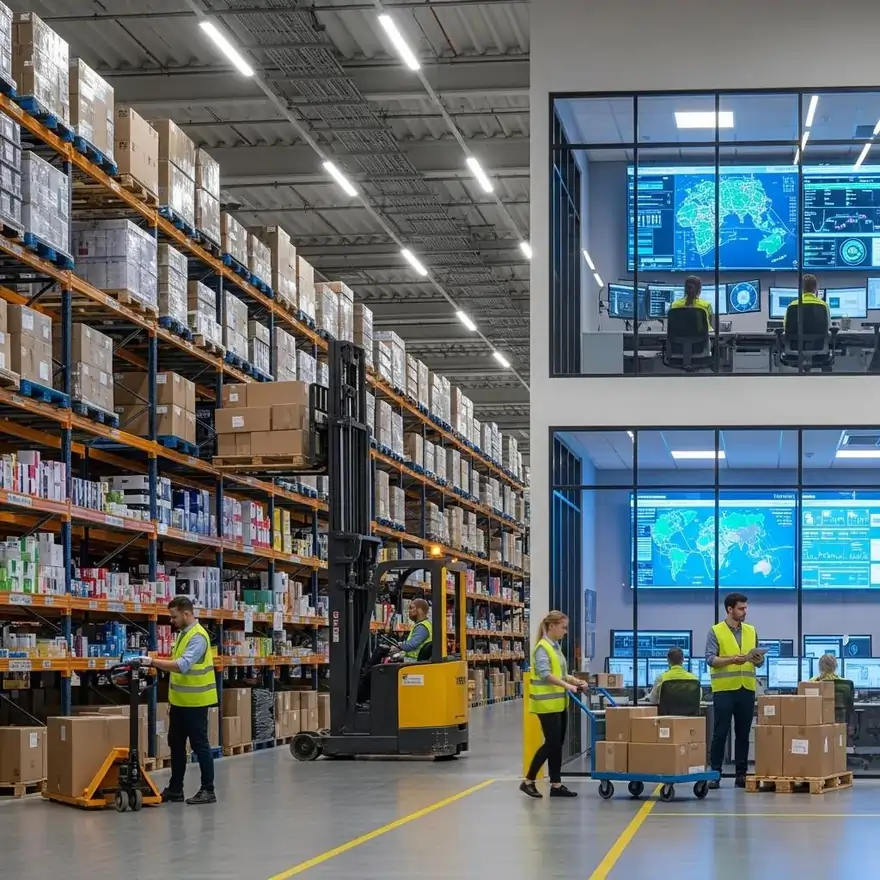
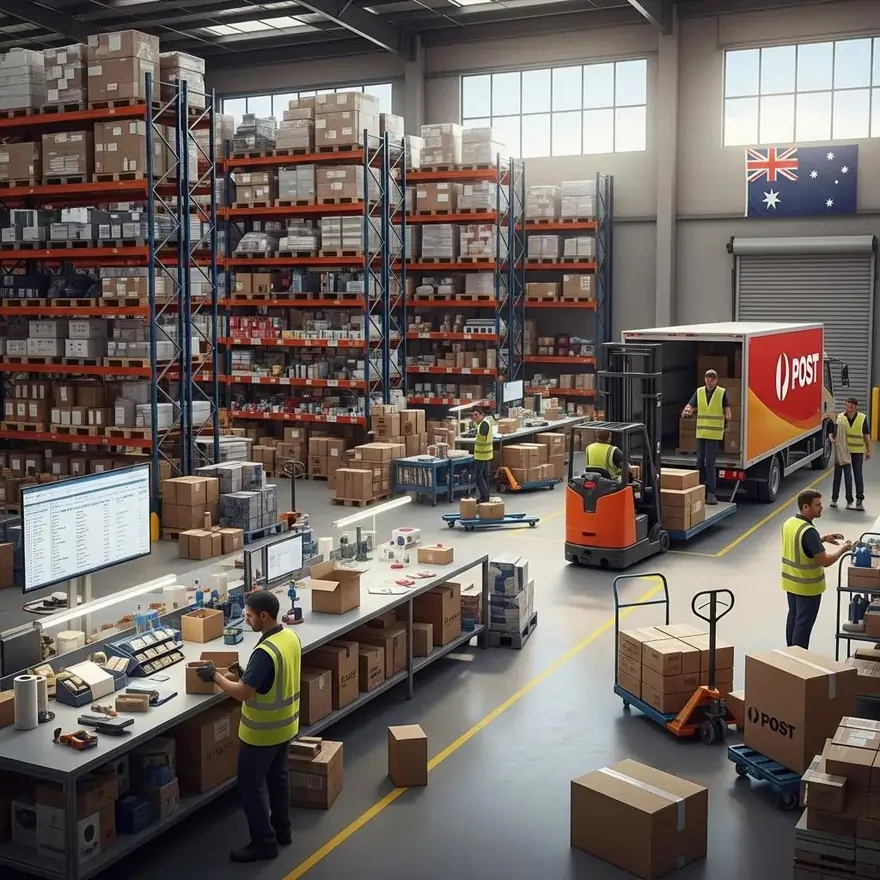
Third-party logistics (3PL) refers to the outsourcing of logistics and supply chain management functions to a specialized service provider. This model allows businesses to focus on their core competencies while leveraging the expertise of logistics professionals to streamline operations.
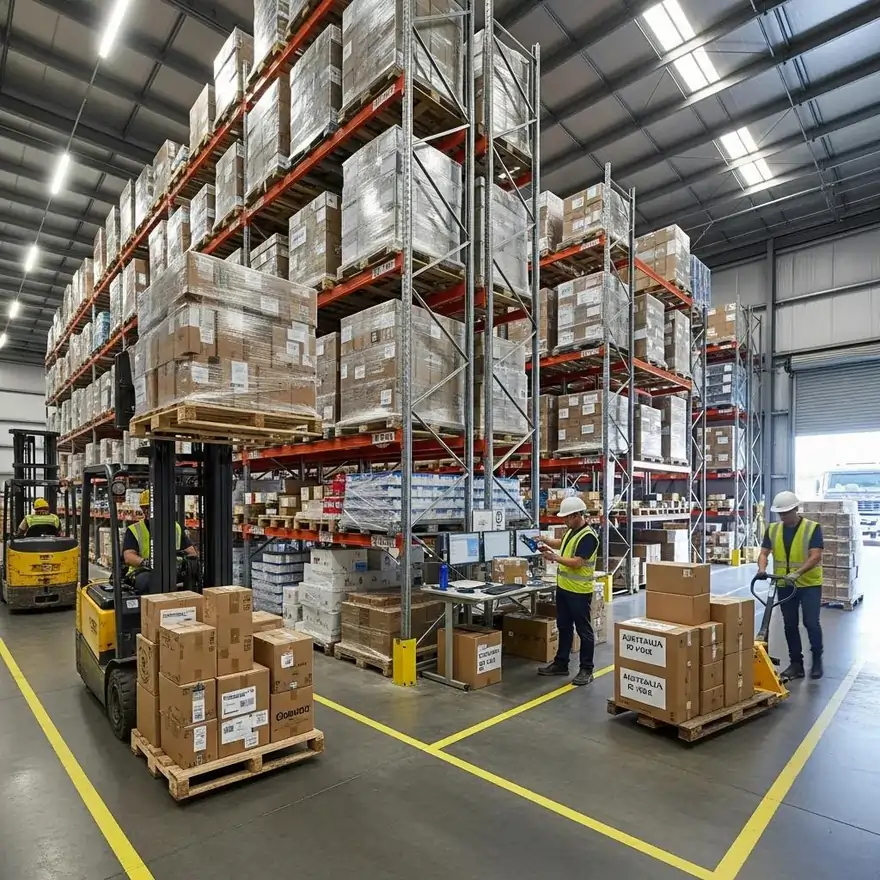
For example, a small e-commerce business can partner with a 3PL provider like PAT Express to handle warehousing, order fulfillment, and shipping. This not only reduces overhead costs but also improves delivery times, enhancing customer satisfaction and allowing the business to scale efficiently.
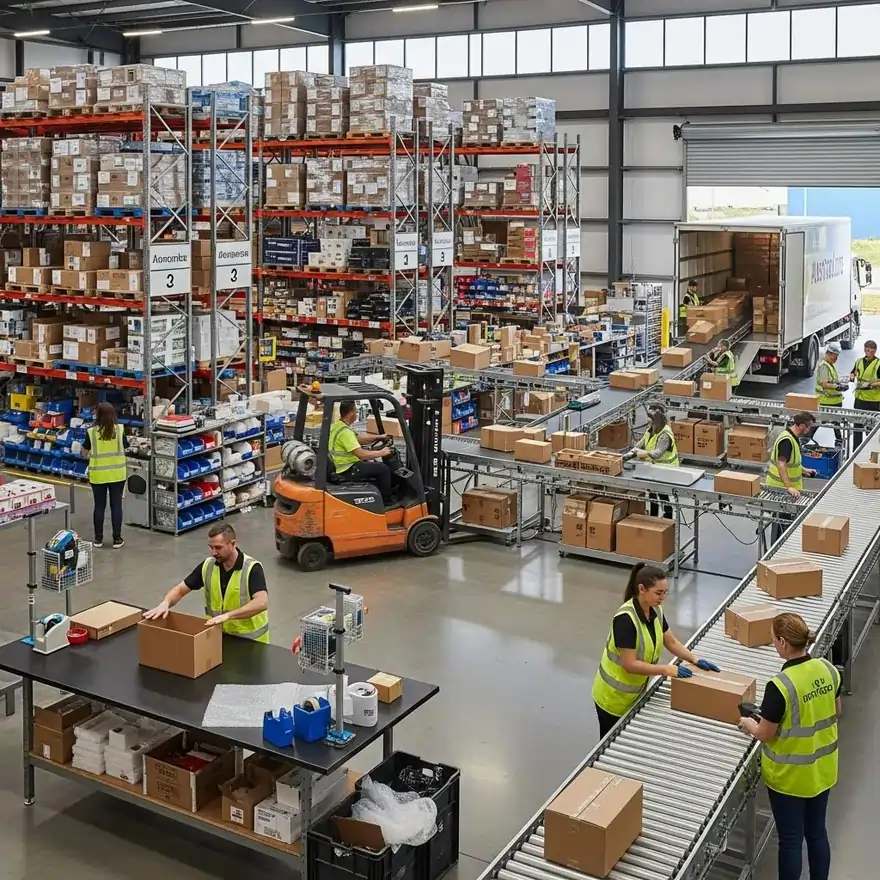
E-commerce fulfillment is a critical component of online retail, encompassing the entire process of receiving, processing, and delivering orders to customers. Efficient fulfillment strategies are essential to meet consumer expectations for fast and reliable delivery.
Companies like PAT Express offer tailored e-commerce fulfillment services that include inventory management, pick and pack operations, and shipping logistics. By optimizing these processes, businesses can reduce errors, minimize shipping costs, and ultimately improve their bottom line.
Custom logistics solutions are designed to meet the specific needs of businesses, allowing for greater flexibility and efficiency in supply chain management. These solutions can include tailored warehousing options, specialized shipping methods, and unique inventory management systems.
For instance, PAT Express provides custom logistics solutions that cater to various industries, from retail to manufacturing. By assessing individual business requirements, they create strategies that enhance operational efficiency and support growth initiatives.
The logistics industry is continuously evolving, influenced by advancements in technology, shifts in consumer behavior, and global economic changes. Staying informed about these trends is crucial for businesses aiming to remain competitive in the market.
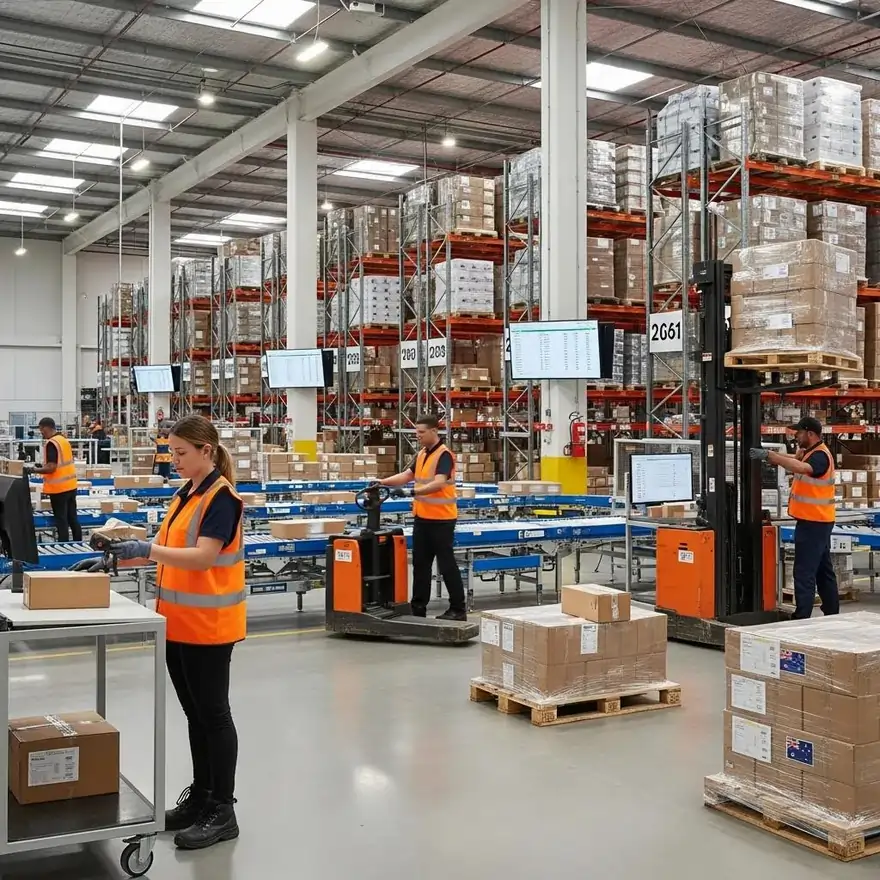
Current trends include the rise of automation in warehousing, the integration of artificial intelligence in supply chain management, and the growing emphasis on sustainability. By understanding these trends, companies can adopt innovative practices that not only improve efficiency but also align with consumer expectations for environmentally responsible operations.