
Affordable 3PL for Australian e‑commerce, cost‑effective fulfilment to help your online business grow
Australia’s e‑commerce market moves fast. Affordable third‑party logistics (3PL) give online retailers a way to lower costs, speed up delivery, and improve the customer experience without investing in their own warehouses and fleets. This article explains what 3PL covers, how pricing typically works, and how local partners like PAT Express Pty Ltd deliver tailored, cost‑effective logistics for Australian online businesses. As online sales grow, common challenges, rising shipping costs, inventory headaches, and customer expectations for faster delivery can hold businesses back. Outsourcing logistics to a reliable 3PL lets you focus on product and marketing while a specialist handles storage, packing, and shipping. Below we cover 3PL basics, the benefits, pricing factors, and real examples of impact, with a spotlight on PAT Express’s solutions. What are third‑party logistics services, and why are they essential for e‑commerce growth? Third‑party logistics (3PL) providers handle parts of the supply chain on behalf of retailers: warehousing, transport, inventory management, and order fulfilment. Outsourcing these tasks gives online stores access to logistics expertise, technology, and capacity without the upfront capital costs of running their own facilities. With sustained growth in online retail, the role of 3PL operators has become increasingly important for scaling e‑commerce efficiently. What 3PLs do in your supply chain 3PL providers manage logistics tasks so you don’t have to. Typical services include receiving and storing stock, picking and packing orders, managing inventory records, and shipping to customers. That means fewer headaches for your team and the flexibility to scale up during busy periods without heavy capital expenditure. How 3PLs improve efficiency and scale for online retailers Working with a 3PL gives you access to specialised systems, inventory software, real‑time tracking, and routing optimisation, that boost accuracy and speed. These tools help reduce errors, shorten delivery windows, and allow your business to react to demand spikes without building internal logistics capability from scratch. How does Pat Express deliver affordable, scalable 3PL for Australian e‑commerce? PAT Express Pty Ltd offers a full suite of logistics services built for online retailers who need predictable costs and scalable operations. Their approach focuses on efficiency and practical local solutions that reduce transit times and keep unit costs down as you grow. PAT Express, cost‑effective fulfilment, built for online stores PAT Express provides warehousing, order processing, and shipping services designed to lower operating costs while maintaining fast, accurate fulfilment. By operating local warehouses in Sydney and Brisbane, they keep stock closer to customers, reducing transit time and lowering carrier costs. Why local warehousing in Sydney & Queensland speeds up deliveries Having stock stored locally means shorter delivery routes and fewer transit zones. Faster deliveries reduce customer wait times and returns, while lower freight distances translate to lower shipping charges, letting you offer competitive pricing without eroding margins. For Australian e‑commerce, that local presence is a practical advantage. Key benefits of cost‑effective 3PL for small and growing online stores Outsourcing logistics to a cost‑effective 3PL can change the way a small or growing online store operates. The main benefits are practical and measurable: Lower operating costs: Outsourcing warehousing and shipping reduces fixed overheads so you can reinvest in growth. Better operational efficiency: 3PLs bring proven processes and technology for faster order turnaround and cleaner inventory control. Happier customers: Improved accuracy and quicker delivery build trust, repeat business, and positive reviews. Cut warehousing and shipping costs to protect margins One of the clearest advantages of a 3PL is reduced overhead. By outsourcing storage and distribution, you avoid the fixed costs of your own warehouse and transport. Local warehousing from PAT Express, for example, can shorten shipping routes and reduce transport fees, helping improve your per‑order margins. Improve order accuracy, delivery speed and customer satisfaction 3PLs focus on optimising fulfilment workflows: better picking processes, inventory controls, and tracking. That reduces mistakes, gets orders to customers faster, and lowers return rates, directly improving customer satisfaction and lowering after‑sales costs. How does 3PL pricing work for Australian e‑commerce? Understanding typical 3PL charges helps you compare providers and forecast costs. Pricing usually combines storage, fulfilment and transport fees, with variations based on your specific needs. Common 3PL cost components and pricing models Most 3PLs charge for warehouse space, order processing, and shipping. Models vary: some use flat monthly storage fees plus per‑order fulfilment charges; others offer bundled packages for high‑volume clients. Knowing the breakdown helps you spot where savings can be made as order volumes change. What affects your 3PL costs: order volume, packaging and storage Key pricing drivers are order volume (higher volume usually lowers per‑order cost), packaging complexity (specialised packing raises handling time), and storage needs (long‑term storage vs fast‑moving stock). Understanding these factors lets you negotiate the right structure for your business. Case studies: PAT Express’s impact on growth and logistics savings PAT Express has helped a range of Australian online retailers streamline fulfilment and reduce logistics spend, with measurable outcomes that translate into better customer experience and higher repeat purchase rates. Success stories from Australian online retailers Several local retailers have reported meaningful improvements after switching to PAT Express. For example, a fashion retailer saw a 20% reduction in shipping costs and a 15% increase in fulfilment speed following integration, demonstrating how operational changes can quickly affect margins and service levels. Measured results: lower costs and faster delivery The results many clients report include lower per‑order costs and faster delivery windows. Some customers have seen shipping times cut by 24–48 hours, which improves customer satisfaction and supports higher conversion and repeat purchase rates. Common questions about affordable 3PL, how Pat Express answers them Below are answers to frequent questions merchants ask when considering a 3PL partner. Is a 3PL cost‑effective for small online businesses? Yes. For most small retailers, outsourcing logistics avoids large capital investments and reduces ongoing overheads. It frees your team to focus on product, marketing, and customer service while a specialist handles fulfilment reliably and at scale. How does Pat Express integrate with platforms like Shopify? PAT Express connects with popular e‑commerce platforms such as Shopify to
Ecommerce fulfilment in Australia, practical logistics and reliable delivery for growing businesses
Good fulfilment removes friction from your online orders, from receipts and storage to picking, packing, and delivery. For Australian businesses, that means fewer delays, lower costs, and happier customers. This article explains why ecommerce fulfilment matters, how third-party logistics (3PL), warehousing, shipping, and smart technology work together, and how outsourcing lets you focus on growing your business while we handle the logistics. What are ecommerce fulfilment services, and why do they matter for Australian businesses? Ecommerce fulfilment covers the whole journey of an order: receiving stock, storing it, processing orders, and getting items to customers. For Australian retailers and brands, effective fulfilment keeps delivery times down and reliability up, which is essential when online expectations are high and competition is strong. Defining ecommerce fulfilment and its role in your supply chain Fulfilment includes inventory control, order processing, and shipping coordination. It sits at the heart of your supply chain: when fulfilment works well, you reduce lead times, lower errors, and keep customers coming back. Key benefits of outsourcing ecommerce fulfilment in Australia Cost savings: Partnering with a fulfilment provider cuts warehousing and staffing overheads. Operational efficiency: Specialists streamline processes so you can focus on sales and product development. Scalability: Outsourcing lets you scale up for peak demand without large capital outlay. Benefit Description Value Cost savings Lower warehousing and staffing overheads High Operational efficiency Simplifies order-to-delivery workflows High Scalability Quickly adjusts capacity to match demand High These advantages explain why many Australian brands choose dedicated fulfilment partners to boost performance and free up internal resources. How Pat Express delivers efficient 3PL and order fulfilment across Australia PAT Express provides end‑to‑end 3PL services built for ecommerce. From receiving stock to packing and dispatch, we act as a single logistics partner so your team can focus on sales, marketing, and product development. PAT Express’s third‑party logistics for ecommerce Our 3PL offering includes inventory control, order processing, and distribution. With operations in Sydney and Queensland, we combine local presence with logistics expertise to reduce costs and improve delivery times across Australia. Streamlining order fulfilment: pick & pack, inventory control and shipping We handle pick and pack with care, use real‑time inventory systems to prevent stockouts, and offer a range of shipping options, from standard delivery to express, so you can meet customer expectations without surprises. Warehousing and storage solutions across Sydney and Queensland Modern, well‑located warehouses are a practical advantage for ecommerce. PAT Express provides secure storage and flexible solutions that support online retailers of all sizes. PAT Express’s warehousing and inventory systems Our facilities use advanced inventory management tools for livestock tracking and fast, accurate order fulfilment. Placing warehouses in strategic locations around Sydney and Queensland helps shorten transit times to major markets. Advantages of local warehouse locations for Australian ecommerce Closer to major markets: Lowers transit times and costs. Faster delivery: Boosts customer satisfaction with quicker fulfilment. Regional flexibility: Respond to local demand spikes without delay. How shipping and delivery boost customer satisfaction in Australia Delivery is where customers form lasting impressions. Reliable, transparent shipping builds trust and increases repeat purchases. Last‑mile delivery and express options for faster fulfilment Last‑mile delivery is the final step customers notice most. PAT Express offers dependable last‑mile and express choices to keep delivery times short and expectations met, an essential part of a positive shopping experience. International freight forwarding and cross‑border logistics Expanding overseas requires partners who understand customs, compliance, and international transit. PAT Express supports cross‑border ecommerce with freight forwarding and customs services that help your products reach global customers reliably. Technologies and innovations that power PAT Express’s fulfilment efficiency Technology underpins modern fulfilment. PAT Express adopts systems that give visibility, control, and automation to keep operations lean and responsive. Warehouse management systems and real‑time tracking Our warehouse management systems provide live stock visibility and order tracking, so you and your customers always know where an order is in the fulfilment cycle. That transparency reduces errors and improves decision‑making. AI and automation in optimising ecommerce logistics AI and automation help us optimise routes, forecast demand, and use space more efficiently. These tools reduce costs and improve speed, letting your business scale without sacrificing service quality. Research shows AI is reshaping warehouse operations, improving scalability, and making storage and fulfilment more efficient. AI‑Driven Dynamic Warehousing for E‑commerce Fulfilment As warehousing scales, real‑time AI enables smarter warehouse operations, improving scalability, optimising space use, and streamlining fulfilment workflows. This paper examines AI’s impact across inventory management, order fulfilment, space utilisation and demand forecasting. Dynamic Warehousing: An AI Approach, 2025 In short, studies consistently find that AI improves operational efficiency and decision-making in ecommerce fulfilment centres. Common questions about ecommerce fulfilment in Australia Below are answers to the typical questions businesses ask when evaluating fulfilment partners, covering cost, scale, and service options. How much do 3PL and fulfilment services cost in Australia? Costs vary by order volume, storage needs, and chosen shipping services. Typical charges include warehousing fees, order processing, and shipping. Providers usually offer pricing models tailored to your business size and seasonal needs. How can Australian businesses scale with PAT Express’s fulfilment solutions? PAT Express helps businesses scale by handling logistics complexity, inventory control, order fulfilment and shipping, so you can grow without a large upfront investment. Our systems and regional footprint let you respond quickly to demand changes and seasonal peaks. Conclusion Outsourcing ecommerce fulfilment can lift operational performance and customer satisfaction. With the right fulfilment partner you gain cost savings, scalability, and faster deliveries. Modern technology further streamlines processes and improves accuracy. Find out how PAT Express can support your ecommerce growth with tailored fulfilment solutions designed for Australian businesses.
Third‑Party Logistics in Australia – a practical guide to 3PL solutions
Third‑party logistics (3PL) providers handle your warehousing, distribution, and transport so you can focus on the parts of your business that matter most. This guide walks through what Australian 3PLs do, why companies increasingly outsource logistics, and how services like freight forwarding, e-commerce fulfilment, and project logistics create measurable value. Along the way we explain the shift from single‑party logistics to outsourced partnerships and outline the core components, benefits, and performance measures you should expect. We also introduce PAT Express as an example of a national operator with warehouses in Sydney and Queensland and capabilities that include freight forwarding, container unpacking, and commercial furniture installation. By the end you’ll have a practical framework to evaluate 3PLs, compare ecommerce fulfilment approaches and assess freight or project logistics for more complex shipments. What are third‑party logistics services in Australia? In Australia, third‑party logistics (3PL) refers to specialist providers that run warehousing, order fulfilment, transport, and freight services for shippers. 3PLs combine storage, inventory control, pick‑and‑pack fulfilment and carrier management so businesses can reduce day‑to‑day operational load and improve delivery reliability. Outsourcing to a 3PL lets you scale space and labour during peaks, access lower freight rates through aggregated volumes, and use systems like warehouse management software for clearer inventory visibility. Below we trace the move from basic carrier roles to full 3PL offerings and explain the practical differences between each model. Common 3PL services used across Australian supply chains include: These services explain why many businesses move from ad hoc transport to strategic partnerships with 3PLs. Next we compare the logistics models from 1PL through 3PL to show how responsibilities and value shift. How has logistics evolved from 1PL to 3PL? Logistics has moved from single‑party setups, where a company owns and runs its own transport (1PL), to outsourced, integrated models (3PL) that manage multiple supply chain functions. A 1PL keeps full control of assets and routes but carries all labour, capital, and admin costs, which limits quick scaling. A 2PL typically offers transport only and works as a carrier without warehousing or fulfilment responsibilities. A 3PL bundles warehousing, fulfilment, inventory control, and freight forwarding into a managed service, lowering capital expenditure and adding flexibility. Ecommerce growth and more complex supply chains have driven this change in Australia: businesses now need faster fulfilment, multi‑channel shipping, and regional coverage. Knowing how each model allocates control, cost, and responsibility helps decide when outsourcing makes sense. With that background, the next section lists the practical components that make up modern 3PL services. What are the core components of 3PL services? Modern 3PLs offer modular services that combine to support end‑to‑end logistics: warehousing, order fulfilment (pick & pack), transport and freight forwarding, inventory management, and returns handling. Warehouses secure and handle stock; pick & pack turns inventory into customer orders; transport gets goods to customers; and freight forwarders manage carrier selection, consolidation, and cross‑border paperwork. These services are supported by systems like WMS and measured with KPIs such as order accuracy, on‑time dispatch, and inventory turnover. To show how each component delivers client value, the table below contrasts their main functions and typical benefits. Different 3PL components provide distinct operational functions and measurable value for clients. Component Typical Function Value to Client Warehousing Secure storage, stock handling and space management Frees capital tied in infrastructure and shortens delivery windows Pick & Pack Fulfilment Order processing, packing and labelling Increases order accuracy and improves customer experience Transport & Distribution Route planning, carrier coordination and delivery Reduces shipping costs and improves lead times Freight Forwarding Documentation, consolidation and customs support Makes domestic and international movement more efficient Combining these components creates scalable, measurable outcomes that support business growth. Next we cover the concrete benefits of partnering with a 3PL in Australia. What are the benefits of partnering with 3PL providers in Australia? Working with a 3PL in Australia delivers clear benefits: lower operating costs, better delivery performance, scalable capacity in busy periods, and access to logistics technology. Outsourcing converts fixed costs, warehouses, equipment, and permanent staff into variable costs tied to activity. Specialist providers also secure better carrier rates through pooled volumes. Strategic 3PL partnerships give you WMS access and reporting that improve inventory visibility and forecasting, which reduces stockouts and excess stock. Key benefits businesses commonly see with a 3PL are Reduced costs: Lower capital requirements and improved freight rates boost margins. Greater scalability: Flexible labour and storage scale up for seasonal demand without long‑term overhead. Faster delivery: Regional warehousing and optimised distribution shorten transit times. Better technology: WMS and reporting improve inventory control and planning. Those benefits show up as lower cost per order, higher fill rates, and shorter lead times. The table below links each benefit to measurable outcomes and example metrics you can track. Mapping benefits to metrics lets businesses evaluate provider performance objectively. Benefit Measurable Outcome Example Metric Cost Reduction Lower cost per unit shipped % reduction in overall shipping spend Scalability Capacity to handle peak demand Peak orders processed per day Speed Shorter transit and fulfilment times Average days to delivery Technology Access Improved inventory accuracy and visibility Inventory accuracy percentage Because these benefits are measurable, you can continually assess and improve the partnership. Next we explain how 3PLs cut costs for Australian businesses and raise efficiency. How can 3PLs reduce operational costs for Australian businesses? 3PLs cut costs through economies of scale, stronger carrier negotiations, and shifting fixed overhead into activity‑based charges, especially useful for businesses with seasonal demand. By combining client volume, providers negotiate lower freight rates and better carrier terms, reducing per‑unit shipping costs. Outsourcing also eliminates the need to buy warehouses and material‑handling equipment and maintain permanent staff, freeing capital for growth. Operational improvements, batch or zone picking, dynamic slotting and process standardisation, lower labour time per order, and reduced errors. The result is a lower cost per order and better margins on shipped products. The following section shows how 3PLs boost overall supply chain efficiency and scaling through specific techniques and technology. In what ways does
Reliable 3PL Solutions Australia: What Makes Our Third-Party Logistics Services Dependable?
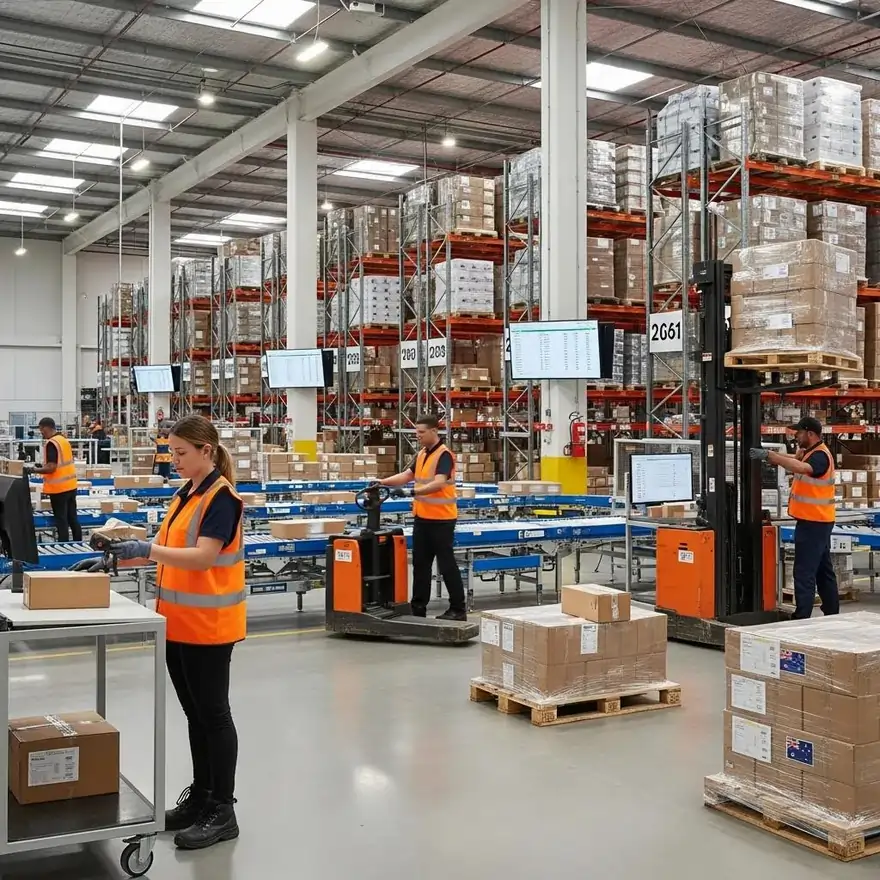
Reliable third‑party logistics (3PL) means predictable, measurable performance across storage, handling, and distribution, the kind that lowers operational risk and helps you keep customer promises. In practical terms, reliability comes from accurate inventory control, consistent lead times, and clear visibility so businesses can match supply to demand and protect their brand. This page outlines what reliability looks like for supply chains in Australia, how it’s measured, and which operational practices and technologies deliver dependable results for e‑commerce, B2B distribution, and project cargo. We also highlight regional considerations for Sydney and Queensland and show how structured processes reduce stockouts, speed fulfilment and cut damage rates. The sections that follow map directly to the decisions procurement and operations teams face. We start by defining reliability and listing the KPIs that prove it. Then we explain how a 3PL embeds those pillars in everyday operations and what to look for when choosing a partner. Next we cover the technologies, WMS, tracking, and automation that improve accuracy and throughput, before focusing on the people and quality systems that sustain consistency. Finally, we describe specialised services like e‑commerce fulfilment, container unpacking, and project logistics that remove common failure points. Keywords such as reliable supply chain management Australia,” “reliable 3PL partner Australia and secure warehousing solutions Australia are used naturally to support discovery and context. What Defines Reliability in Third-Party Logistics Services? Reliability in third‑party logistics is the repeatable delivery of the right product, in the right condition, to the right place, at the right time, achieved through standardised processes and measurable controls. Standard operating procedures, technology‑enabled visibility, and clear service‑level agreements (SLAs) reduce variation and enable proactive exception handling. The payoff is lower inventory risk, higher customer satisfaction, and measurable KPIs such as on‑time delivery and inventory accuracy. Knowing these basics helps businesses pick partners who can handle everyday demand and peak periods while keeping costs and risk in check. Dependable 3PL performance shows up in measurable indicators and is driven by concrete practices like cycle counting, slotting optimisation and contingency planning. Here are the core pillars you should expect from a reliable provider. Accuracy: Inventory controls and cycle counts that keep stock records aligned with physical inventory. Timeliness: Predictable lead times and on‑time deliveries backed by SLAs and contingency routing. Visibility: Real‑time tracking and reporting that highlight exceptions early for fast remediation. Security: Secure warehousing and handling procedures that reduce theft and damage. Flexibility & Scalability: The ability to scale capacity and adapt processes when demand shifts. Each pillar connects to KPIs, inventory accuracy, on‑time delivery, and order accuracy rate that procurement teams can monitor to confirm performance and drive continuous improvement. The next section explains how supply chain reliability affects business outcomes, especially for e‑commerce and B2B operations. Academic and industry research reinforces the value of structured models and KPIs when assessing third‑party logistics performance. Measuring 3PL Performance with SCOR Model & KPIs Purpose: This paper examines how the Supply Chain Operations Reference (SCOR) model applies to service‑oriented providers and identifies the key performance indicators relevant to third‑party logistics. Supply chain performance measurement for third-party logistics, D Jothimani, 2014 At Pat Express Pty Ltd we define reliability through those same pillars and focus on practical outcomes: strategic partnerships, tailored solutions, and seamless execution. We emphasise efficiency and cost control in services such as container unpacking, supported by a regional footprint in Sydney and Queensland, all of which shorten lead times and reduce damage risk. This framing shows how abstract reliability principles turn into concrete services and regional capabilities that benefit clients. What Are the Key Pillars of Reliable 3PL Solutions? Reliability is built on operational pillars that turn policy into repeatable action: accuracy, timeliness, visibility, security, and scalability. Accuracy comes from regular cycle counts, barcode‑guided pick‑and‑pack, and reconciliations. Timeliness relies on agreed SLAs, smart carrier selection, and contingency routing. Visibility depends on integrated data flows and dashboards that surface exceptions and provide ETAs. Security includes controlled access, physical safeguards, and validated inbound checks. Scalability is achieved through flexible staffing models and regional warehouse capacity to absorb peaks. Accuracy: Cycle counts and WMS‑guided picking that limit inventory variance and improve order accuracy. Timeliness: SLAs and contingency plans that preserve on‑time delivery during disruption. Visibility: Real‑time tracking systems that provide ETAs and exception alerts for proactive management. Executing well across these pillars lowers returns, short‑ships, and customer complaints. The next subsection shows how these pillars translate into measurable business impact. How Does Supply Chain Reliability Impact Business Success? Reliable supply chains boost customer satisfaction, protect revenue, and cut operating costs by reducing stockouts, returns, and emergency freight. For e‑commerce retailers, dependable fulfilment increases conversion and repeat purchases because customers receive accurate, on‑time orders with clear tracking. For B2B buyers, better forecasting and inventory accuracy free up working capital and enable leaner procurement. During peak seasons, reliable logistics reduce the need for costly last‑minute shipments and provide the predictable lead times marketers and project teams depend on. Reduced stockouts: Fewer lost sales and improved customer retention. Fewer returns: Lower reverse‑logistics costs and higher order accuracy. Operational resilience: Faster recovery from disruptions through contingency planning. Even small gains in inventory accuracy tighten replenishment cycles and lower safety stock, freeing cash and improving service levels. That causal chain explains why investing in reliable 3PL capability delivers organisation‑wide benefits. How Does Pat Express Ensure Reliable Third-Party Logistics in Australia? Reliability comes from documented processes, regional infrastructure, and continuous measurement aligned to client goals. PAT Express combines warehousing in Sydney and Queensland with tailored workflows, trained teams, and SLA‑driven monitoring. We map client requirements to specific operational steps, order integration, inbound inspection, slotting, and scheduled distribution runs, so results are repeatable and measurable. Our service mix includes Third‑Party Logistics (3PL), Project Logistics, Container Unpacking, and Commercial Furniture Installation, each delivered with transparent performance metrics. Set clear SLAs and KPIs: On‑time delivery, order accuracy, and inventory variance targets. Maintain regional presence: Sydney and Queensland warehouses to reduce lead times and risk. Integrate systems and reporting: Shared dashboards and regular reviews
Custom Logistics That Simplify Your Supply Chain: Tailored Strategies for Efficiency and Growth
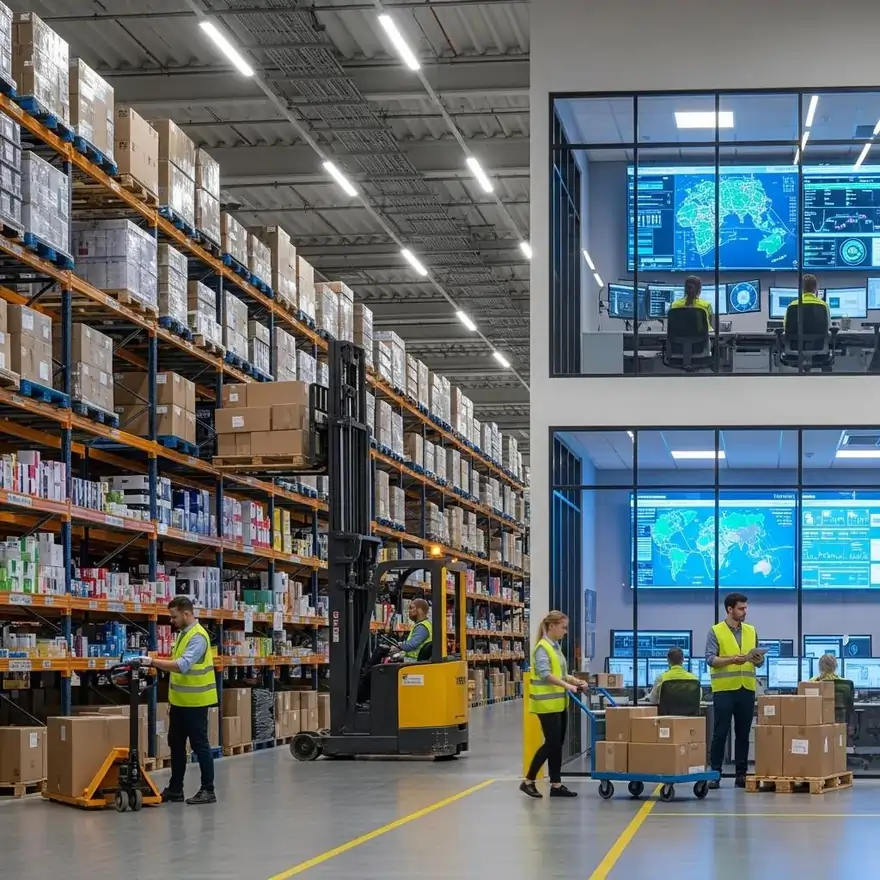
Custom logistics solutions align warehousing, transport, inventory, and fulfilment to a business’s specific needs. By designing processes, systems, and people around seasonal demand, product characteristics, and channel mix, bespoke logistics simplifies complex flows and cuts wasted time and cost. This page outlines how tailored logistics work, why bespoke 3PL and project logistics matter, and which technologies and processes deliver measurable gains in lead time, cost control, and resilience. You will find practical examples, comparison tables, and clear next steps, and see how a specialist provider like Pat Express turns customized 3PL, project logistics, container unpacking, and freight forwarding into real operational results. What Are Custom Logistics Solutions and Why They Matter Custom logistics adapt standard services to a company’s unique product mix, sales patterns, and constraints. They do this by aligning warehousing, inventory rules, fulfilment, and routing with a client’s operating model to reduce exceptions and speed flow. The outcome is higher efficiency, lower total cost of ownership, and stronger supply chain resilience, especially where one-size-fits-all approaches cause frequent manual fixes. Understanding this framework helps you decide when bespoke logistics are the right strategic move. What “Bespoke Logistics” Actually Means for Your Business Bespoke logistics configures processes and systems around a client’s needs rather than forcing a standard setup. That means custom process maps, integrations with your systems, and handling rules that treat SKUs, channels, and customers differently when required. Businesses choose bespoke solutions when variability, seasonal spikes, special packaging, or multi-channel fulfilment creates exceptions under standard models. For example, an e-commerce brand mixing subscriptions with flash sales benefits from separate inventory pools and picking strategies so peak demand doesn’t disrupt steady subscriptions, reducing stockouts and overtime. Key Benefits of Tailored Logistics for Supply Chain Performance Tailored logistics deliver measurable operational value. They cut operating costs by reducing unnecessary touches and optimizing storage, speed up deliveries through smarter routing and slotting, and improve reliability by removing recurrent exceptions. Customisation also helps maintain consistent service levels across channels and regions, boosting customer satisfaction and supporting growth. In short, bespoke logistics convert complexity into predictable performance and commercial advantage. Below are the primary advantages of bespoke logistics and how they translate to business outcomes. Cost efficiency: Targeted processes reduce handling and storage waste through precise slotting and replenishment rules. Faster lead times: Custom routing and fulfilment logic shorten the time from order to delivery. Scalable capacity: Flexible resource models let you scale for seasonal peaks without long-term fixed costs. Lower risk: Contingency plans and exception workflows limit disruption when things go wrong. These benefits explain why companies moving from standard logistics to custom models often see immediate operational gains and better long-term scalability. Next we look at how customized 3PL partners make these improvements happen. How Custom 3PL Solutions Improve Supply Chain Performance Custom 3PLs take complex or variable logistics functions and run them against client-specific rules. They align operations, technology, and people with your needs: configuring warehousing, fulfilment, and inventory management to your processes and integrating with sales and ERP systems. The result is faster cycle times. fewer errors and a lower cost per order, important for businesses with fluctuating demand or multi-channel distribution. Scalable Warehousing and Fulfilment for E-commerce Scalable warehousing adjusts space, labour and picking strategies to match e-commerce patterns: temporary labour pools, dynamic slotting, and sensitive replenishment triggers. A customised fulfilment model applies packing rules, channel-specific SLAs, and returns handling to protect margins and speed. Integrations with order systems enable real-time SKU allocation to optimal zones, reducing travel time and improving pick accuracy, so you avoid stockouts during peaks and keep priority channels moving quickly. The table below compares common 3PL capabilities and the value they deliver. Capability Characteristic Value Scalable storage Flexible racking and temporary space Matches seasonal capacity without fixed costs Dynamic labour On-demand pick/pack teams Keeps accuracy and throughput during surges Channel-specific fulfilment Custom rules per sales channel Protects margins and service levels Returns processing Dedicated reverse logistics flow Speeds processing and reduces return costs Inventory Management and Distribution Built to Your Rules Custom inventory management sets reorder points, safety stock, and replenishment rules based on SKU velocity, lead-time variability, and service targets rather than generic formulas. Distribution planning, route optimisation, cross-docking where useful, and allocation logic reduce transit time and handling. Integration with ERPs and sales channels gives visibility so inventory is forecast and rebalanced proactively, preventing overstock and lost sales. Combined with scalable warehousing, these strategies turn aggregated demand signals into precise replenishment actions that preserve service and free up working capital. What Project Logistics Services Does Pat Express Offer for Complex Supply Chains? Project logistics handles oversized, time-critical, or technically complex moves through planning, specialist handling, and coordinated execution. Services combine route planning, heavy‑haul expertise, and stakeholder management to keep projects on time and on budget. With engineering reviews, permit management, and contingency planning up front, project logistics turn complex transport challenges into managed projects with clear accountability and measurable results. Managing Large-Scale, Time-Sensitive Logistics Projects Large projects start with a clear plan: scope, route and risk assessment, schedule, and resource allocation. Coordinating carriers, authorities, and client stakeholders minimises regulatory delays and ensures equipment and crews are ready when needed. Risk management includes alternative routes, staging areas and contingency crews so delays do not cascade. For example, coordinating multiple oversized deliveries to a construction site with phased unloading and on-site handling rules prevents congestion and keeps the project timeline on track. Research emphasises the importance of using the right specialised equipment, such as the correct trailer type, for these complex movements. Project Logistics: Tailored Transportation for Oversized Cargo Project logistics demands careful attention when moving heavy or sensitive loads. Choosing the correct trailer and equipment is a critical success factor: cargo characteristics and transport requirements determine the right trailer type. The wrong choice can cause project delays, extra costs, safety hazards, and environmental harm. Evaluation of the selection of low-bed trailers in the transportation of oversized and overweight cargo: a hybrid picture fuzzy critic-marcos model, ÖF Görçün, 2025 Project logistics commonly
Ecommerce logistics in Australia – a practical guide to 3PL, fulfilment, and shipping
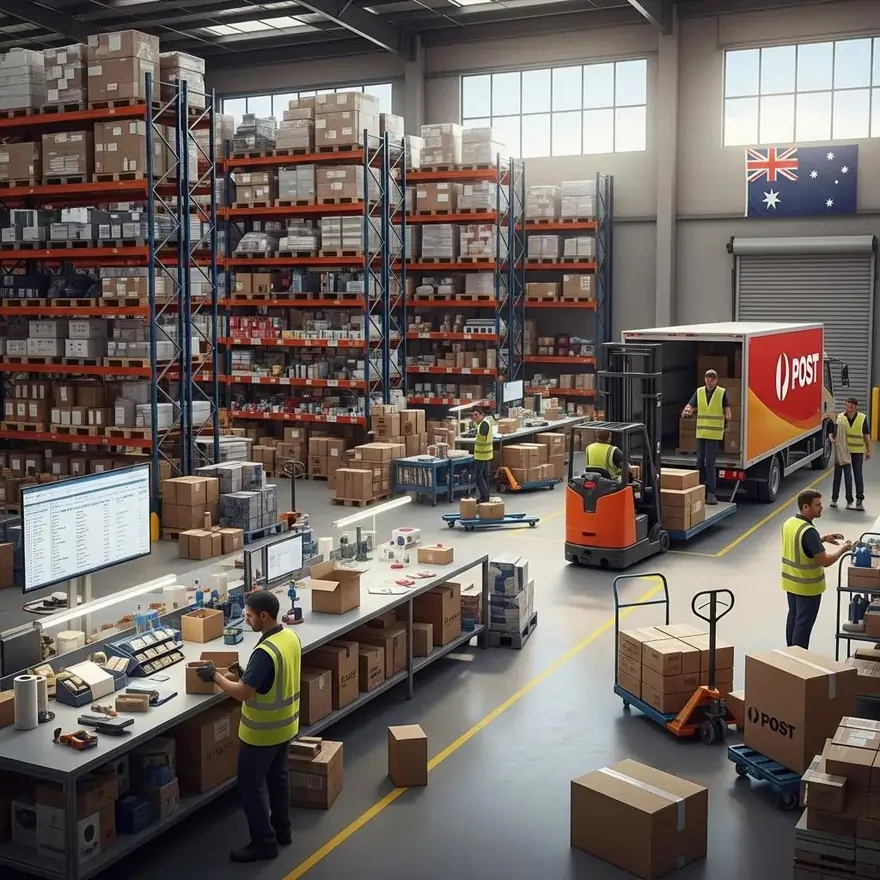
Ecommerce logistics describes everything that happens after a customer clicks buy, from receiving stock and storing it to picking, packing, shipping, and handling returns. This guide walks through how that system works in Australia, why logistics directly affects conversion and customer retention, and how to choose and work with third‑party logistics (3PL) and fulfilment partners. You will find clear service definitions, key operational metrics, shipping options (including last mile), returns best practices, and how WMS and platform integrations improve accuracy and visibility. Australia’s vast distances and spread‑out population create real trade‑offs; the right logistics choices cut costs, speed up delivery, and make customers come back. PAT Express demonstrates these capabilities firsthand. We provide freight forwarding, 3PL warehousing, pick‑and‑pack and distribution, plus project logistics and container unpacking. Our Sydney and Queensland hubs show how regional nodes speed import handling and local delivery while scaling fulfilment to match business needs. What are e-commerce logistics, and why they matter in Australia Ecommerce logistics is the set of services and systems that receive, store, pick, pack, and deliver online orders while tracking inventory and managing returns. It ties physical flows to information systems and carrier networks so you can meet customer expectations for speed and transparency. Better logistics cut transit time and fulfilment cost while improving on‑time delivery and customer satisfaction, and that lifts conversion and lifetime value. In Australia, long distances and rural deliveries force choices between centralized hubs and distributed fulfilment; smarter inventory placement, selected shipping partners, and real‑time visibility help you balance cost with speed. Defining ecommerce logistics, the core components E-commerce logistics breaks down into clear steps: receiving inbound stock, storing it, picking and packing orders, shipping to customers, and handling returns. Each step is supported by systems such as a warehouse management system (WMS) and carrier integrations. A WMS improves slotting, pick paths, and cycle counts to boost inventory accuracy; pick‑and‑pack turns order data into fast, accurate fulfilment. Freight forwarding brings international shipments and containers into domestic warehouses. Together, these parts create the operational backbone that lets merchants promise reliable delivery windows and tracking. Research highlights that e‑commerce fulfilment covers the whole supply chain, from supplier ordering through to the customer, not just the final delivery step. Framing e‑commerce fulfilment and 3PL services Fulfilment involves ordering from suppliers, receiving and storing stock, and then packaging and sending products to customers. Because these processes are complex and time‑sensitive, many retailers use external operators. This paper analyzes fulfilment services in e‑commerce and their growing role in practice. Fulfilment service in e-commerce logistics, A Kawa, 2017 Why efficient logistics matter for Australian online retailers Efficient logistics lower fulfilment cost per order and speed up delivery, two essentials in a market where customers expect fast, trackable shipping. Faster, more reliable delivery reduces cart abandonment and boosts repeat purchases, improving lifetime value and margins. For national sellers, spreading inventory between Sydney, Queensland, and other hubs shortens transit distances to major population centers and regional customers. Investing in logistics pays off in measurable KPIs like order accuracy, on‑time‑in‑full (OTIF), and returns turnaround, and it makes cross‑border expansion simpler. How third‑party logistics providers support e‑commerce businesses Third‑party logistics providers (3PLs) act as outsourced partners who run warehousing, pick‑and‑pack, inventory control, and distribution for retailers. 3PLs offer scalable capacity for seasonal peaks, established carrier networks, and operational processes that reduce capital expenditure and improve fulfilment KPIs. Outsourcing routine logistics frees your team to focus on product and marketing, while the 3PL handles variable labour, compliance, and tactical freight forwarding for imports. Core 3PL services: warehousing, pick‑and‑pack and inventory control Here are the typical 3PL functions and the metrics you should watch. Warehousing covers ambient and secure storage, inbound receiving, and cross-dock operations that feed fast SKUs into picks. Pick‑and‑pack includes order aggregation, accuracy checks, and labeling; track picks per hour and pick accuracy. Inventory management uses cycle counts, safety stock, and replenishment triggers to avoid stockouts. The table below summarizes these services and what they’re best for. Service Area Typical Operational Metric Best-use Case Warehousing (ambient/storage) Storage density, inbound throughput Regional stock hubs for faster delivery Pick-and-pack operations Pick accuracy (%), picks/hour High‑volume storefronts with many SKUs Inventory management Days of inventory, safety stock Tight stock control and reliable replenishment Benefits of partnering with Australian 3PL providers Working with a local 3PL gives practical advantages: faster delivery from regional warehouses, local carrier knowledge, and easier regulatory compliance, plus scalable labour and storage for peak seasons. Providers operating in New South Wales and Queensland cut inland transit times and simplify import unpacking near ports. Many clients see lower cost per order and better OTIF after onboarding a specialist 3PL. When evaluating partners, check SLAs, integration with your e-commerce platform, and experience with freight forwarding and container unpacking. What e-commerce fulfilment services are available in Australia? Fulfilment ranges from self‑fulfilment to fully outsourced 3PL, with hybrid and white‑label options in between. The right choice depends on order volume, SKU complexity, customer geography, and how much capital you’re willing to invest. Sydney and Queensland hubs bring clear advantages: port proximity, access to big population centers, and faster regional reach. Prioritize scalability, transparent pricing, inventory visibility, and platform integrations when choosing a provider. Fulfilment solutions overview: Sydney and Queensland warehousing Sydney and Queensland warehouses act as inbound and outbound nodes close to international shipping routes and Australia’s major customer bases. Sydney facilities typically serve southern and eastern metro areas with faster urban deliveries, while Queensland hubs shorten transit to northern and regional markets. These sites speed container unpacking and inbound handling so stock becomes available sooner. PAT Express runs warehouses in both states to support national fulfilment and import processing. Scalable fulfilment models for small to large retailers Fulfilment can scale from shared, pay‑as‑you‑go space for small merchants to dedicated pallets or racked areas for high‑volume sellers needing custom workflows. Shared fulfilment lowers fixed costs for startups; dedicated solutions give control and can reduce unit costs when volume grows. Consider pick density, average order lines, and seasonality when choosing a